

Community Safety Awareness Month: Building resilience before disaster strikes
As climate-related disasters become more frequent and severe, disaster management can no longer be viewed as a reactive exercise.
From devastating floods to destructive veldfires, South African communities are increasingly facing recurring risks that threaten lives, infrastructure and local economies.
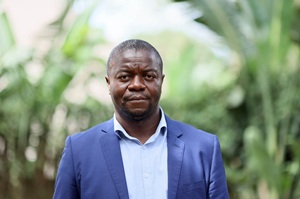
According to Dr Musiwalo Moses Khangale, Disaster Risk Management Expert at Santam, Community Safety Awareness Month is an opportunity to shift the national mindset from disaster response to disaster preparedness and resilience-building.
“Climate change has fundamentally altered the risk landscape, making disaster preparedness an essential component of community safety,” he says. “Investing in it not only helps mitigate impact but also minimises losses and saves resources.”
The Santam Insurance Barometer 2025 data confirms this, revealing a distinct shift in recent years wherein isolated, manageable losses are giving way to larger, more complex events that occur with greater frequency and are often systemic in nature.
“A decade ago, insured losses from global natural disasters rarely exceeded $100billion in a year,” notes Dr Khangale. “Today, that level of loss is not only common – it’s expected. Events once considered one-in-a-100-year occurrence are now happening roughly every 20 years, with major catastrophes striking every three to five years.’’
Speaking specifically to flood preparedness, Dr Khangale explains why it should be treated as a whole-of-society responsibility, requiring collaboration between communities, municipalities, businesses and the private sector.
“Many communities across South Africa remain highly vulnerable to flooding due to location of residential areas in flood prone area, inadequate flood mitigation infrastructure, rapid urbanisation and the growth of informal settlements,” he says. “In these high-risk areas, proactive and coordinated preparedness efforts such as early warning systems, evacuation planning and community education can significantly reduce the loss of life and damage to property.”
He adds that municipalities play a critical role in maintaining stormwater drainage systems and other protective infrastructure, while communities also need to take ownership of flood mitigation efforts.
“Communities should be educated to take full responsibility and ownership for flood management infrastructure, including avoiding littering and clogging drainage systems, he says. Flood early warning measures must prioritise those most vulnerable to floods, and authorities must ensure that arrangements are in place to cascade warnings in local languages.” Measures must also be put in place to integrate local knowledge in flood risk management initiatives.
Fire preparedness is another growing concern, particularly as prolonged drought conditions and rising temperatures contribute to longer and more intense fire seasons. Dr Khangale believes that effective fire-season preparedness requires far more than emergency response capacity once a fire has already broken out.
“An effective fire preparedness plan must cover both detection and response to fires, while taking into account the local context, including community and municipal capacity, weather dynamics and ecological conditions,” he says. “Such a plan must cover fire early warning modalities, trained personnel, firefighting equipment, community education, communication protocols and access to sufficient water supplies for firefighting operations.”
Dr Khangale emphasises that prevention remains significantly more effective and less costly than post-disaster recovery. “The World Bank’s Lifelines Report, 2019, found that the net benefit of investing in disaster preparedness is significant, with roughly €4 in benefits for every €1 invested,” he says. “Investing in preventative and preparedness measures helps communities avoid losses and damage through saving lives, reducing infrastructure damage and limiting economic disruption.”
He adds that fires often have devastating long-term social and economic consequences, particularly for vulnerable communities that lack the resources to recover quickly. “Without adequate preparedness plans, communities also face heightened operational and financial risks during disasters. Poor coordination between response agencies can lead to duplication of efforts, wasted resources and delayed emergency interventions.”
A community without a clear and implementable preparedness plan is likely to suffer substantial losses during a disaster, says Dr Khangale. “Disaster risk management competes with other municipal priorities such as water provision, road maintenance and crime fighting for limited financial resources, making political ownership and buy-in fundamentally important to resilience-building efforts.”
He believes the private sector can play a meaningful role in strengthening disaster resilience through partnerships with municipalities and communities. “Insurers can support municipalities and communities beyond post-disaster claims through thought leadership, risk modelling, training and collaboration initiatives focused on mitigation and preparedness.”
Through its Partnership for Risk and Resilience (P4RR) programme, Santam has collaborated with municipalities and mandated agencies across the country to strengthen disaster resilience at both municipal and community level. Since its inception in 2012, the initiative has supported 110 municipalities across South Africa, trained more than 1 500 people in firefighting, safety and disaster management, and reached approximately 180 000 people through disaster risk awareness and education programmes.
“We believe that preparedness is a shared responsibility in a world characterised by climate change and variability,” concludes Dr Khangale. “And community Safety Awareness Month is timely a reminder that real resilience is built before disaster hits.”


