

Value-Added Products Strengthen the Entire Dealership Ecosystem
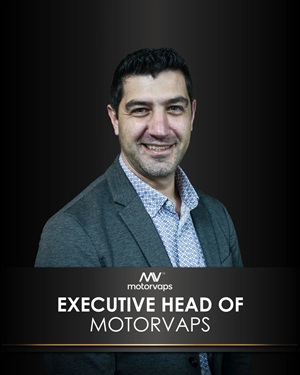
Speaking at this year’s F&I Summit, industry expert and Motorvaps: Executive Head of Sales and Distribution, Francisco Gaie, highlighted the growing importance of Value-Added Products in strengthening dealership sustainability, customer trust, and long-term profitability in an increasingly pressured motor retail environment.
The summit is a platform in which dealership professionals, F&I managers, dealer principals, executives, and industry partners can engage in honest conversations about the realities shaping the motor industry.
Francisco’s presentation moved away from corporate buzzwords and focused instead on the practical role Value-Added Products play inside the modern dealership ecosystem.
“The modern dealership is under pressure from every angle,” he explained. “Margins are tighter, customers are more informed, affordability is under strain, and compliance requirements continue to grow. The question dealerships need to ask is how they remain profitable, trusted, and sustainable in this environment.”
While Value-Added Products are not the sole solution, they were described as a critical part of the answer when positioned correctly, sold ethically, and fully integrated into dealership operations.
A key theme throughout his presentation was the concept of the ‘dealership ecosystem’. Rather than operating as isolated departments, dealerships were described as interconnected systems where sales, service, parts, and F&I all directly influence one another.
“When one department struggles, the impact is felt throughout the business,” he said. “Value-Added Products sit directly inside that ecosystem. They connect the point of sale to the long-term ownership experience and create opportunities for customer retention, workshop activity, and future profitability.”
Drawing from his firsthand dealership experience managing high-volume operations, Francisco recalled how engaged the parts departments became when warranties, service plans, and maintenance products were sold.
“They understand something fundamental: Value-Added Products directly influence future workshop activity and parts consumption. That is ecosystem thinking.”
His address also challenged how dealerships traditionally position Value-Added Products during the sales process. Too often, products are introduced only at the end of the transaction when customers are mentally fatigued and eager to conclude the deal.
“The customer is not rejecting the product,” Francisco explained. “They are rejecting the timing.”
Instead, dealerships are encouraged to introduce ownership risk conversations earlier in the customer journey. By shifting the conversation from “selling add-ons” to “educating customers about ownership protection,” dealerships can create stronger relevance and trust.
Another major focus was the evolving role of the F&I manager. Far from being purely administrative, the role was described as a professional advisory position operating at the intersection of emotion, finance, and customer trust.
“A strong F&I manager does not simply present products. They translate risk into understanding and convert technical product information into personal relevance for the customer.”
Francisco’s presentation further explored how customers themselves view Value-Added Products. Customers do not think in terms of product categories such as warranties, tyre cover, or service plans. Instead, they think about uncertainty, affordability, and avoiding unexpected financial strain.
“A warranty is not just a policy document,” he said. “For the customer, it is protection against a breakdown that could disrupt their daily lives and finances.”
This customer-focused approach was positioned as essential in a market where vehicle ownership costs continue to rise, and customers are increasingly cautious with their spending.
From a dealer principal’s perspective, Value-Added Products were framed not only as revenue contributors but as tools for long-term business resilience. Relying solely on vehicle margins leaves dealerships exposed to fluctuating market conditions, changing affordability, and increasing competition.
“Value-Added Products help stabilise dealership income by creating retention pathways,” Francisco noted. “Customers with warranties, service or maintenance plans are more likely to return to the dealership, and returning customers are far more valuable over time.”
The importance of dealership culture was also highlighted. The success of Value-Added Products depends heavily on how dealership teams position and communicate them to customers.
“If products are treated purely as sales targets, they will be sold inconsistently,” he explained. “But when they are treated as customer protection tools, trust and long-term relationships improve.”
Francisco’s address concluded with a strong message about the future of the industry. As vehicles become more technologically advanced and customer expectations evolve, dealerships will need to shift from transactional selling to long-term ownership guidance.
“The dealerships that succeed in the future will not simply sell vehicles,” he said. “They will guide ownership decisions, explain risk clearly, and build trust across every stage of the customer journey.”
The role of product providers was also emphasised, with a call for stronger partnerships that extend beyond brochures and rate cards to include dealer training, process support, claims assistance, and long-term strategic collaboration.
Trust remains the most valuable currency in the dealership environment. “At the end of the day, this industry is still about people. Customers are making one of the biggest financial decisions of their lives. If we get that part right, everything else follows.”


