

Rooted in resilience: Petro Harmse on farming, risk and breaking barriers in agri-insurance
Agriculture remains one of South Africa’s most male-dominated industries, but the picture is starting to shift.
While Q4:2024 data reveals male employment in the sector stood at 628,000, compared to 296,000 for women, female employment in the sector rose by over 4% in the last quarter of 2024, while male employment declined.
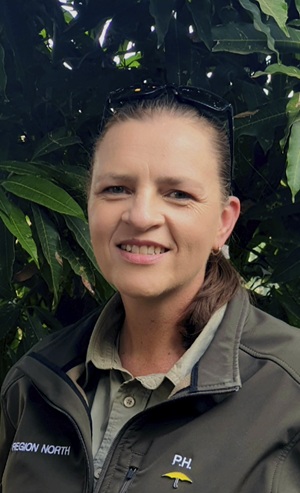
This shift signals slow but meaningful progress toward gender inclusion, and women like Petro Harmse, Area Manager at Crop Insurance for Santam Agri, are at the heart of this change. With a background in farming and years of hands-on experience in crop risk assessment, Harmse brings both empathy and technical insight to her role. Based in the Sekhukhune District of Limpopo, she supports farmers through some of their toughest seasons – and is helping shape the future of the industry.
Building a career in agri-insurance
After completing a BCom Honours degree in Business Management, Harmse was drawn to farming. “I farmed for 10 years. There, I experienced firsthand the highs and lows of being a farmer. I also gained knowledge and experience on the entire agricultural chain,” she says. During that time, she also started conducting hail damage assessments on crops, which exposed her to working with farmers during vulnerable times.
She later spent three years as a crop insurance broker, gaining a deeper understanding of policies and client engagement – all of which culminated in her current role. “Everything came together when I received an offer to work for Santam Agri as Area Manager,” she reflects.
Harmse’s role is twofold: The one side is marketing crop insurance products, training and giving advice, while the other side is assessing damage on crops and managing assessors. “It’s all about managing healthy relationships between farmers, brokers and Santam,” she says.
Working through climate and client challenges
For Harmse, climate change has made her work more urgent, more complex and more impactful than ever before. She’s seen a clear rise in extreme weather events – from heatwaves to unseasonal rain – and with it, an increase in demand for insurance. Many farmers who once felt they could “ride out” bad seasons are now turning to risk cover.
“My role has expanded from simply offering policies to becoming a trusted advisor – someone who can explain risk clearly, suggest the right cover, and guide them through increasingly complex decisions,” she says. “We’re not just selling insurance anymore – Santam Crop Insurance is part of a broader movement to build resilience in agriculture.”
What drives Harmse is the ability to make a real difference. “It’s incredibly fulfilling to help farmers understand how insurance isn’t just a cost, but a tool for resilience and long-term planning,” she says. “Crop insurance is not a luxury – it is a necessity. This can shift a farmer’s thinking from survival to building a future.”
Breaking barriers
Harmse’s career has not been without challenges. “At times, I’ve had to prove my credibility in ways that my male counterparts didn’t have to,” she says. Whether in meetings or out in the field, she’s had to push against assumptions about what leadership and technical expertise should look like.
“Those moments pushed me to be sharper, more prepared, and more intentional about how I engage with clients and colleagues,” she says. “By being consistent, prepared and genuine, I gained trust.”
Over time, she’s seen the sector begin to shift. “When seeing a woman advising on risk management or leading crop assessments in the field, it changes perceptions. It opens the door for more women to confidently step into the industry.” Inclusive leadership is possible because of decision makers, companies, and industries that provide opportunities for those who are underrepresented to rise to the forefront and pave the way for future generations.
She believes women bring critical strengths to agri-insurance, from empathy and communication to systems thinking and attention to detail. “Women are often skilled communicators and relationship-builders. We tend to listen empathetically, build trust with clients, and approach challenges holistically.”
Harmse’s leadership style, built on empathy and active listening, has helped her drive stronger client retention and more collaborative teams. “These experiences have not only strengthened my resilience but also deepened my commitment to advocating for inclusive leadership across the sector.”
Looking ahead: advice and reflections
When asked what advice she’d offer to young women entering the sector, Harmse says: “Don’t underestimate the value of your voice, your perspective, and your presence. These sectors are evolving rapidly, and they need diverse thinkers who can bring empathy, innovation and strong communication to the table.”
She urges women not to shrink themselves to fit into male-dominated environments, but to lead with authenticity. “Be confident, even if you're the only woman in the room. Let your work, consistency and values speak for you.”
Harmse’s Women’s Month message is one of advocacy and momentum. “We not only honour the unseen strength of women in agriculture, but we call for greater investment, inclusion and visibility for women in every link of the value chain. Let’s break the barriers – one woman at a time.”


