

The road to Olympic glory: A marathon, not a sprint
Olympic athletes dedicate years, and sometimes decades, to training for a few moments of competition. Their journey is marked by countless hours of preparation, relentless dedication and an unwavering focus on their ultimate goal.
This long-term commitment is essential for reaching the pinnacle of their sport. In the world of investing, a similar long-term approach is crucial, says Belinda Carbutt, a specialist in Group Savings and Investments at Allan Gray.
“Achieving financial independence and having enough saved for retirement requires years of consistent investing. The concept of compound interest, which allows investments to grow exponentially over time, can be compared to the cumulative effect of an athlete's training. Just as an athlete's performance improves gradually through persistent effort, an investor's wealth builds slowly but surely through disciplined contributions and prudent investment choices,” says Carbutt.
Graph 1 illustrates this point. If you started investing for retirement at the age of 25, contributing R1 000 a month until you reached retirement age, you would have R5 550 348 by 65 (assuming 10% annual return).
“The remarkable story here is that 91.4% of your final sum would come from compounding, which means you would have only contributed R480 000 over four decades to reach the total amount,” explains Carbutt.
Graph 1: The power of compound growth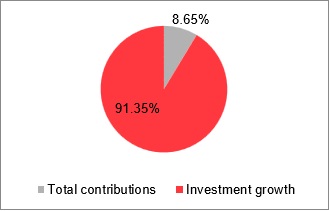
Source: Allan Gray
Discipline: The foundation of success
Another parallel Carbutt draws between sport and investing is that of discipline.
Olympic athletes adhere to strict training regimens, maintain rigorous diets and often sacrifice short-term pleasures in pursuit of their long-term objectives. This discipline ensures they are in peak physical and mental condition when it matters most.
“As an investor, discipline reveals itself in the form of adhering to a budget, creating an investment strategy and sticking to your goals. Consistently saving a portion of your income and resisting the urge to make impulsive spending decisions demonstrates a similar kind of rigour. It may be tempting to deviate from your investment strategy during market volatility and times of economic uncertainty, but those who stay the course are more likely to achieve their financial goals,” says Carbutt.
She adds that just as an athlete cannot afford to skip training sessions or indulge in unhealthy habits, an investor cannot afford to neglect their budget and investing strategies.
Visualisation: The winning mindset
Carbutt explains that top athletes use visualisation to mentally prepare for their performances. They envision themselves succeeding, whether it is crossing the finish line first or executing a flawless routine. This mental rehearsal helps build confidence, reduce anxiety and enhance performance.
“Investors, too, can harness the power of visualisation. Whether it is imagining your future self owning your dream home, funding your child's education, or enjoying a comfortable retirement, having a vivid picture in your mind can serve as motivation. Visualisation can help you remain focused, making it easier to navigate short-term challenges and stay committed.”
Seek professional guidance: The coach on your side
Carbutt says that just as athletes work with coaches, it is wise to consider seeking financial advice.
An athlete's training programme is tailored specifically to their needs; your financial plan and investment strategy should be customised for you. Athletes experience both good and bad days during training and competition, and it is during these times that a coach motivates. A good, independent financial adviser can help you get back on track deviating from your plan.”


