

Young leaders helping shape the future of South Africa's motor body repair industry
As South Africa commemorates Youth Month, the South African Motor Body Repairers' Association (SAMBRA), a proud association of the Retail Motor Industry Organisation (RMI), is shining a spotlight on a new generation of industry leaders who are helping drive innovation, transformation and sustainability within the motor body repair sector.
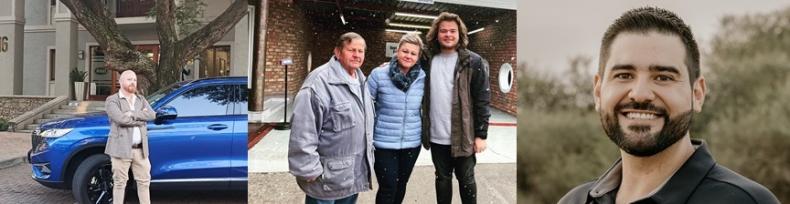
While many still view the industry as traditional, a growing number of young professionals are proving that the future of motor body repair lies at the intersection of technology, skills development and strong leadership.
SAMBRA National Director, Juan Hanekom, is just 32 years old, while several members serving in leadership positions on regional committees and the National Executive Committee (NEC) are also under the age of 35. Among them are Thinus Botha from MacGyver Commercial in Bloemfontein, Alewyn Muller from Northern Cape Panelbeaters in Kimberley and Kevin De Gouveia from Classic Autobody.
According to Hanekom, the presence of younger leaders within SAMBRA demonstrates the industry's commitment to succession planning and creating opportunities for emerging talent.
"One of the greatest strengths of our industry is the willingness of experienced professionals to mentor and support younger people entering the sector. Youth Month provides an opportunity to recognise those young leaders who are already making a meaningful contribution and helping position the industry for the future," says Hanekom.
Hanekom believes effective leadership is built on listening and collaboration.
"Leadership is not about being the loudest person in the room. It is about making sure the right people are heard, the right decisions are made, and that those decisions translate into meaningful action."
For 25-year-old Alewyn Muller, Executive Operations Manager at Northern Cape Panelbeaters, the industry has always been part of his life. Founded by his grandfather in 1972, the business has become both a family legacy and a platform for growth.
After joining the company in 2020, Muller worked his way through various roles before taking on executive responsibilities. Today, he serves as Vice Chair for the Northern Cape and Free State region and represents the region on SAMBRA's Digital Transformation Forum.
"People often assume that joining a family business means opportunities are handed to you, but that wasn't my experience," says Muller. "My grandfather insisted that I earn every step of the journey and learn every aspect of the business before moving into a leadership position."
One of the biggest challenges he faced was introducing digital processes into a business that had operated successfully for decades using more traditional systems.
"The industry is changing rapidly. While vehicle repair technology has evolved significantly, business processes also need to keep pace. Younger professionals can play an important role in helping businesses embrace new technologies while still respecting the knowledge and experience of previous generations."
For Thinus Botha, a member of the SAMBRA NEC and a Business Management graduate from North-West University, the industry's constant evolution is what keeps it exciting.
"The motor body repair sector is no longer just about repairing vehicles. New vehicle technologies, artificial intelligence, automation and changing repair methods are transforming the industry at a rapid pace," says Botha.
Having achieved leadership positions at a relatively young age, Botha acknowledges that success has required resilience and adaptability.
"This is not an easy industry. Regulations, technologies and operating environments are constantly changing. You have to be willing to learn, adapt and solve problems every day."
Botha believes mentorship remains one of the most important factors in developing future industry leaders.
"There is no better way to enter the industry than having a mentor who can teach you the foundations, share practical experience and help guide your career. Skills development and transformation are equally important if we want to build sustainable businesses and create opportunities for future generations."
Botha is particularly excited by the impact that electric vehicles and emerging vehicle technologies will have on the future of the sector.
Both young leaders agree that the industry offers far more opportunities than many young South Africans realise. Beyond technical repair roles, careers exist in operations, management, technology, training, customer service and entrepreneurship.
Hanekom says attracting young talent remains critical to the long-term sustainability of the industry.
"The future of the motor body repair sector depends on our ability to develop skilled artisans, embrace new technologies and create meaningful career pathways for young people. We are fortunate to have passionate young leaders already contributing at a high level within SAMBRA, and we hope their stories will inspire others to consider a future in this dynamic industry."
Hanekom says developing young talent is about far more than succession planning.
"When we help businesses grow, they can create jobs, develop skills, train apprentices and support families. The long-term sustainability of our industry depends on creating opportunities for young people to build meaningful careers and eventually become the next generation of business leaders."
Their message to young South Africans is simple: work hard, remain humble, embrace learning opportunities and never underestimate the value of mentorship.
As the industry continues to evolve, these young leaders are proving that the future of the motor body repair industry is already in capable hands.

